
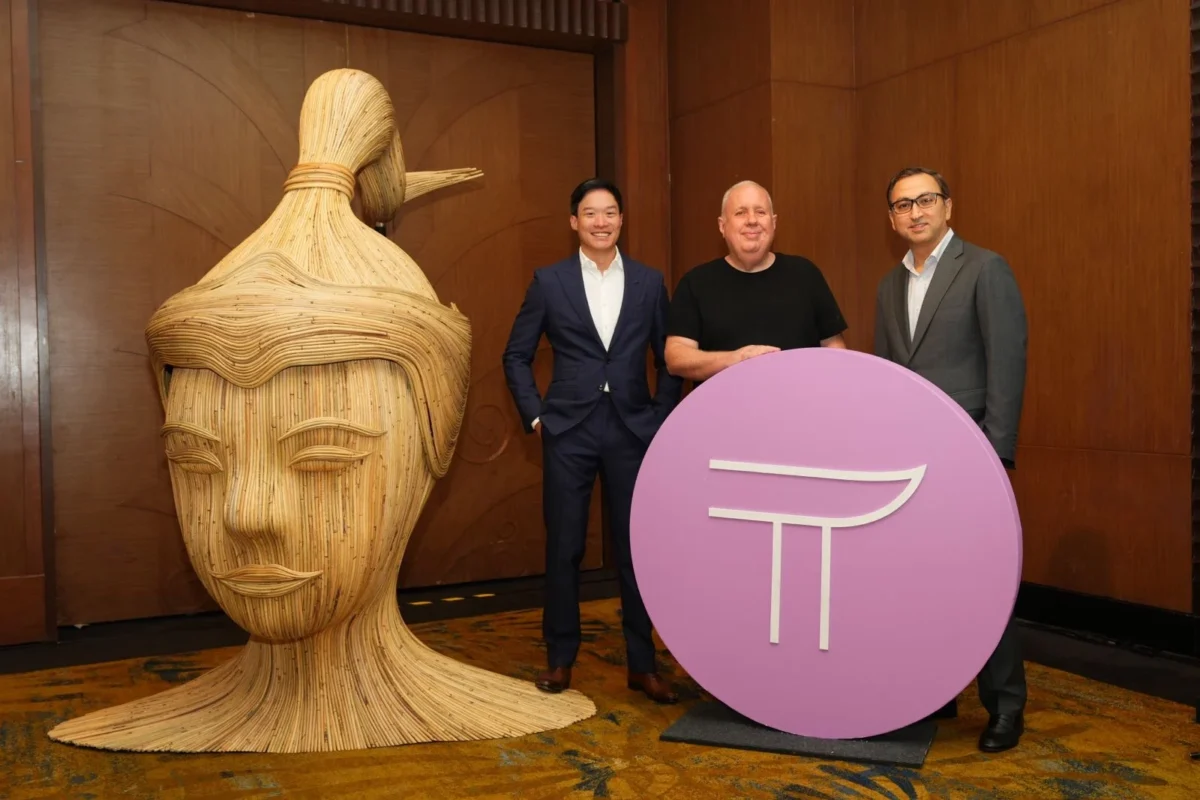
Speakers at this year’s Thai Tourism Forum (TTF) pointed out that the country needs to look beyond its more popular destinations to spur industrial growth forward
While Thailand remains one of the world’s most sought-after and visited travel destinations, experts at this year’s Thailand Tourism Forum (TTF) have pointed out that the country’s regional neighbours are stepping up their game and raising the stakes.
Indeed, a number of issues confronting the Thai tourism industry were raised at TTF 2026, including the emergence of Vietnam as a potential travel powerhouse, the need to consider source markets other than China, as well as ongoing geopolitical and socioeconomic issues affecting global tourism.

Guarded optimism
During the Forum, experts from C9 Hotelworks, Central Group Capital, and Marriott International offered an optimistic outlook moderated by Delivering Asia chief executive David Johnson.
It was opined during the session that Thailand’s overall resilience, the loyalty of repeat visitors, as well as the potential of previously untapped destinations throughout the country could write the next chapter of its tourism history.
Indeed, there is currently a palpable shift from volume-centric tourism to quality tourism in the form of more immersive and experiential offerings for both local and foreign travellers.
According to Central Group Capital co-head and managing partner Phoom Chirathivat: “I am very optimistic about a country where cultural depth and diversity offer a gold mine for creating high-value tourism products.”
Chirathivat was bullish with his outlook despite a range of hard-hitting issues that include geopolitical conflict and a sluggish domestic economy.
Furthermore, experts were all but unanimous in pointing out how Thailand needs to develop other destinations aside from the Big Five of Bangkok, Chiang Mai, Koh Samui, Pattaya, and Phuket.
As C9 Hotelworks managing director Bill Barnett put it: “We remain overly dependent on legacy destinations. What about everywhere else?”
One particular region that needs to be put on the map is the northeastern province of Isan which is teeming with potential thanks to the richness of its traditions and gastronomic culture.
Another is the southeastern province of Nakhon Si Thammarat which is emerging as a standout, offering thousands of kilometres of largely undeveloped coastline and a quieter, nature-driven appeal.

Strong support from a global player
Global hospitality firm Marriott International is firmly backing the push into secondary and tertiary destinations as Thailand matures as a tourism market.
Indeed, the key objective is to diversify demand and prioritise value over sheer visitor numbers.
With that in mind, Marriott aims to expand aggressively, with four new brands and 31 hotels in its Thailand pipeline.
According to Marriott chief development officer in the Asia Pacific Gautam Bhandari: “It’s not just about luxury or upper-upscale anymore. We’re launching midscale brands like Four Points Flex by Sheraton, a segment we didn’t previously play in, but one we now see as critical to Thailand’s future.”
